Scroll of the Table That Didn’t Demand Agreement
LIVED EXPERIENCE:
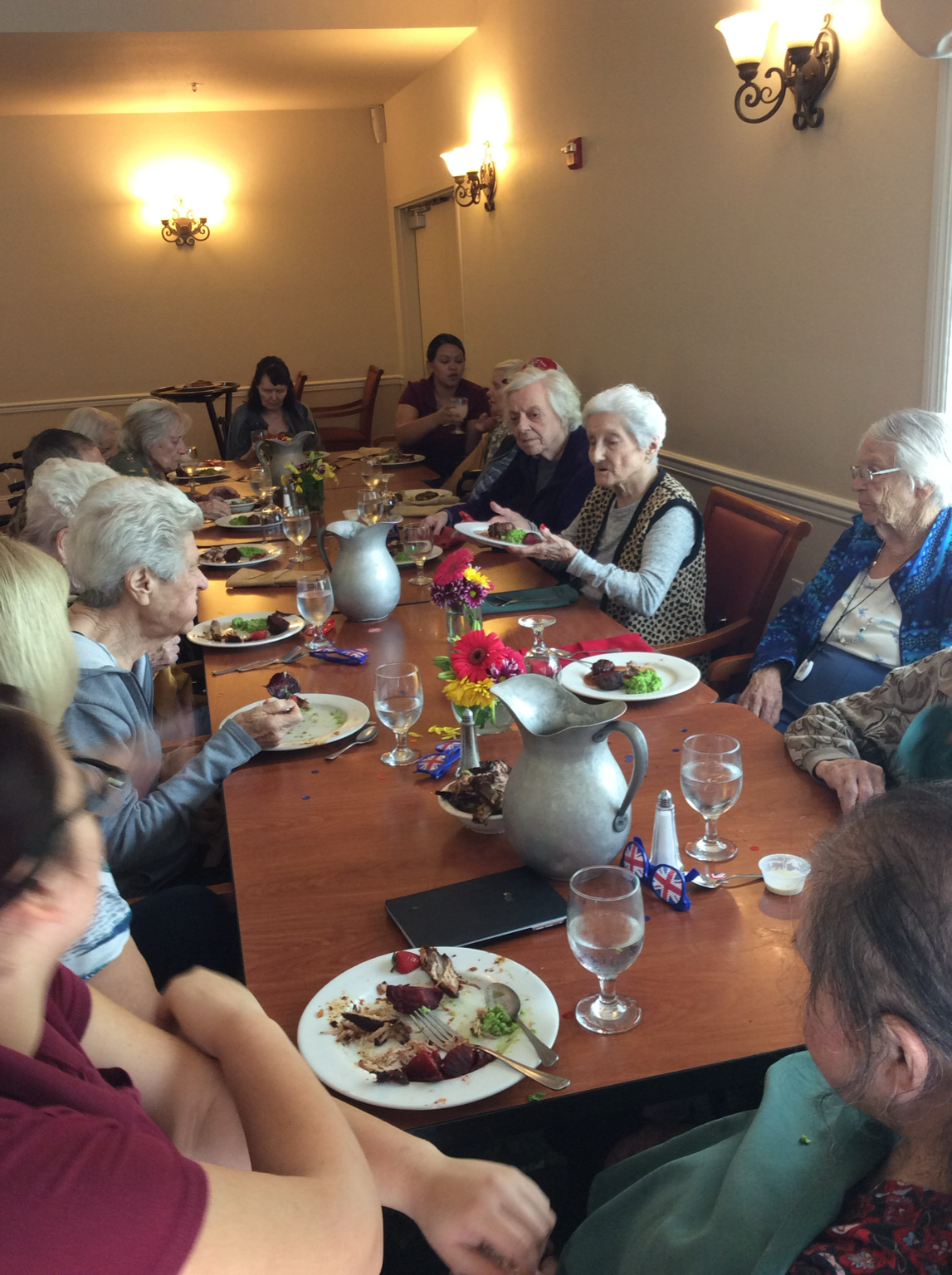
I’ve sat at a lot of tables.
Work tables.
Family tables.
Break tables.
Tables where the conversation mattered
and tables where it didn’t.
And almost every time, there was an unspoken rule:
Agree… or get quiet.
Not always said out loud.
But you could feel it.
The moment you spoke something that didn’t match the tone—
the air shifted.
Eyes changed.
Posture tightened.
The table stopped being a place of sharing
and became a place of positioning.
So people learned how to sit carefully.
Say just enough.
Agree just enough.
Stay inside the line that kept things smooth.
I did it too.
Until I didn’t.
There came a moment where I realized
I wasn’t actually at the table
I was performing at it.
And once I saw that,
I couldn’t unsee it.
So I stopped adjusting my voice
to fit the room.
I stopped softening truth
to protect comfort.
Not aggressively.
Not to prove anything.
Just… honestly.
And something unexpected happened.
The table didn’t break.
It just changed.
Some people leaned in.
Some pulled back.
Some stayed quiet.
But for the first time—
I was actually sitting there.
Not managing the moment.
Not controlling the outcome.
Just present.
And I realized:
A real table doesn’t need agreement.
It needs honesty that can sit without fear.
STRIKE:
A true table does not require agreement.
It requires presence that can hold difference.
RESONANCE:
Most spaces are built on quiet alignment.
Not truth—
alignment.
The goal is not understanding.
The goal is stability.
And stability, in many systems,
comes from sameness.
Same opinions.
Same tone.
Same conclusions.
But that is not connection.
That is containment.
The table that doesn’t demand agreement
operates differently.
It allows:
- tension without collapse
- difference without division
- voice without punishment
It does not rush to resolve.
It does not force consensus.
It trusts that truth does not need to be identical
to be real.
And in that space,
something rare happens:
People stop performing.
And start showing up.
PARABLE:
There was once a table where everyone agreed.
Every conversation smooth.
Every idea echoed.
Every voice aligned.
It was praised as peaceful.
Until one day,
a stranger sat down.
They listened.
They watched.
And when it was their turn to speak
they said something different.
The table went quiet.
Some frowned.
Some shifted.
Some waited for correction.
But the stranger did not explain.
Did not argue.
Did not withdraw.
They simply remained.
Present.
Unmoved.
After a long silence,
someone else spoke.
Not in agreement
but in truth.
Then another.
Then another.
And slowly,
the table changed.
Not into chaos.
Into honesty.
Because it was never disagreement that broke tables—
It was the fear of it.
SCROLL:
The table that doesn’t demand agreement
is not common.
Because it requires something most spaces avoid:
Emotional steadiness without control.
You must be able to hear something
you do not agree with—
without shutting down,
without correcting,
without defending your position immediately.
You must be able to speak
without needing to convince.
To listen
without needing to reshape.
To remain
without needing resolution.
This is not passivity.
This is maturity of presence.
When a table holds this kind of space,
it becomes more than a place to talk.
It becomes a place where truth can move
without being forced into shape.
And that changes everything.
Because people don’t need more spaces
where they are managed.
They need spaces
where they can be real.
FLAMEWALKER TRUTH:
The moment you stop needing agreement
is the moment your presence becomes strong enough
to hold truth without controlling it.

The Space
Not a storefront.
Not a schedule.
Just something you return to
when it calls you back.
Links
© Rabbit’s Warren “All things made with intention”
“No gatekeepers. Just paths.”